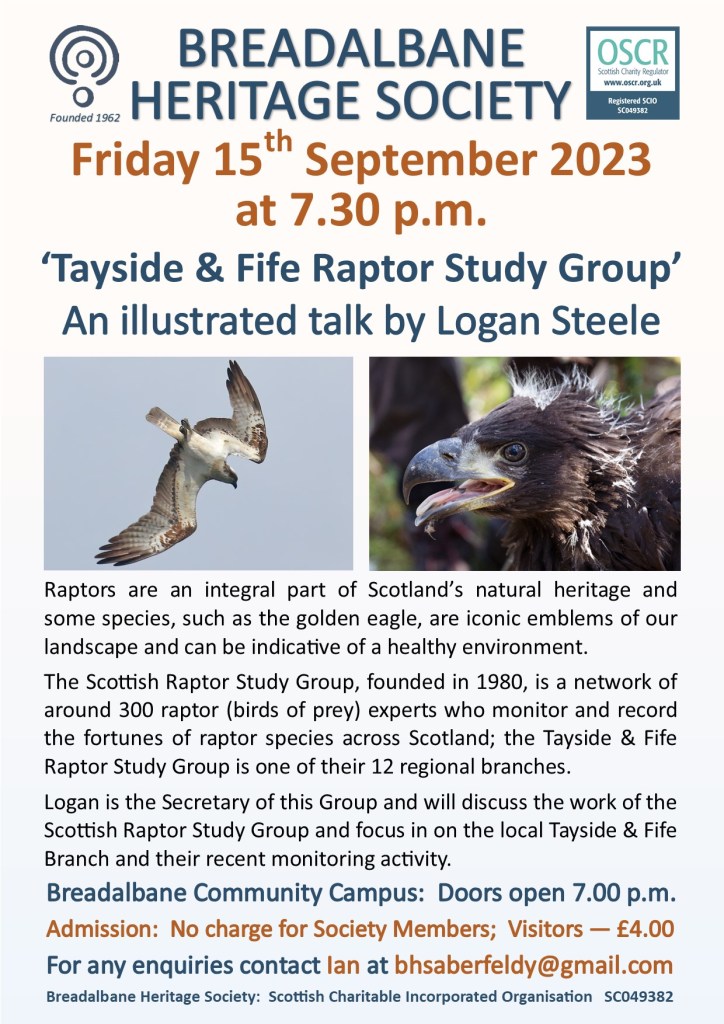
Our first talk of the new season, ‘The Work of the Tayside & Fife Raptor Study Group’, is on Friday, 15th September, held in the Breadalbane Community Campus, Aberfeldy, commencing at 7.30 p.m. This talk will be presented by Logan Steele, Secretary of the Tayside & Fife Raptor Study Group and he will discuss the work of the Scottish Raptor Study Group and focus in on the local Tayside & Fife Branch and their recent monitoring activity.
Our winter season of six monthly talks runs through to March on the third Friday of the month, apart from December when there is not a talk. With the exception of the January and February talks which are presented online on Zoom, they are held in the main hall of the Breadalbane Community Campus in Aberfeldy at 7.30 p.m.
From our constitution, one of the Charitable Purposes of the Society is to advance education, heritage and culture by promoting and encouraging an interest in the study of the archaeology, history, antiquities, folklore and natural history, particularly concerning the Breadalbane and Upper Tay area of Perthshire. With this in mind and when possible, we try each year to build our programme of talks around these five topics associated with our local area. Our 2023-24 season listed below includes talks on all these topics.
Further details of each of these talks will be provided in due course.
The Breadalbane Heritage Society have been maintaing the Killiechassie Burial Ground on and off since before 2010. Recently, they have installed two information boards at the inner burial enclosure.
The first board provides an introduction to the history of the Stewarts of Fothergill family.
The second board provides information on each of the graves situated within the inner burial enclosure.
The different QR codes on these boards provide links to different Killiechassie Burial Ground pages in this website which will provide more detailed information than is provided on the boards.
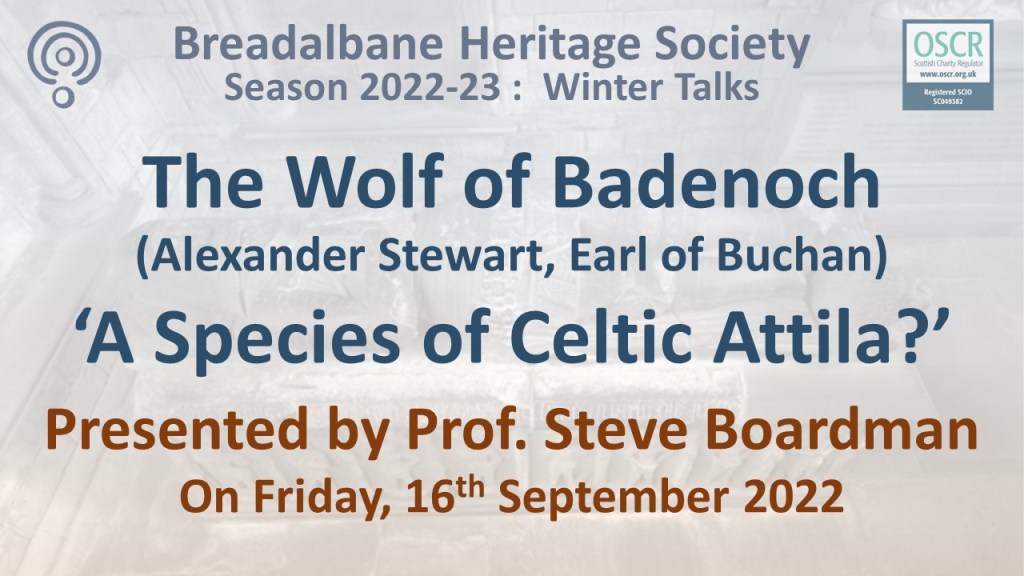
Professor Steve Boardman is the Professor of Medieval Scottish History at The University of Edinburgh with research interests in Late Medieval Scottish Kingship. His talk was based on his current research activities on the life and post-medieval mythologizing of the Wolf of Badenoch.
Friday, 21st October, 2022: ‘The Hillforts of the Tay’, presented by David Strachan
David Strachan is a Director of the Perth and Kinross Heritage Trust and his areas of interest include Iron Age forts and settlements c.700 BC to AD 700, and community archaeology. In this talk, he concentrated on the hill forts of Castle Law, Abernethy; Moncreiffe Hill, Bridge of Earn; and Kings Seat, Dunkeld.
Friday, 20th January, 2023: ‘Culloden’, Presented by Caitklin Greig
Caitlin is the Visitor Services Supervisor (Engagement) for the National Trust for Scotland at their Culloden Battlefield Visitor Centre. Her talk covered how the battle came about with the Jacobite supporters seeking to restore the Stuart monarchy to the British thrones, and how the current survey work carried out by the National Trust for Scotland on the site of the battle is changing the understanding of how the battle progressed.
Friday, 17th February, 2023: ‘Mar Lodge Estate Regeneration’, presented by Andrew Painting
Andrew is the Conservation Officer for the National Trust for Scotland at their Mar Lodge Estate to the west of Braemar. He is an upland ecologist with specialisms in native woodland restoration, bird monitoring and botany. His talk covered the work of NTS during the last 25 years and, in particular, to the advances made in regeneration in the last 10.
Friday, 21st April, 2023: ‘Discovering Froglife’s Scottish Projects’ presented by James Stead
James Stead is Froglife’s ‘Come Forth for Wildlife Project Manager’ and, in this talk, James aims to raise awareness of native reptiles and amphibians and will guide you to learn more about amphibians and reptiles in the area as well as the exciting work underway on the ‘Come Forth for Wildlife’ and ‘Fife Living Water’ projects.
As an addition to our normal series of six winter talks, on the 21st April James Stead, Froglife’s ‘Come Forth for Wildlife Project Manager’, presented on Zoom a very interesting talk on the reptiles and amphibians that can be found in Scotland as well as two recent conservation projects (‘Come Forth for Wildlife’ and the ‘Fife Living Water’ projects) which Froglife have undertaken in Scotland.
Subsequent to the talk, James, in a response to some of the questions in the Q&A session, sent the following links which provide further information and fact sheets on different native and non-native amphibians and reptiles:
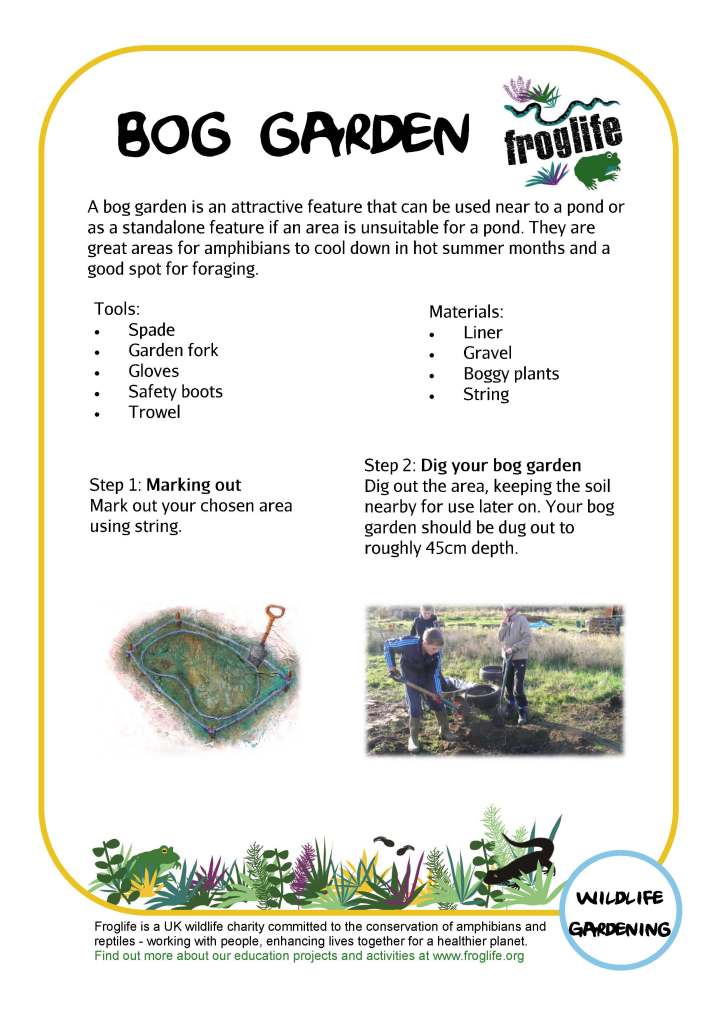
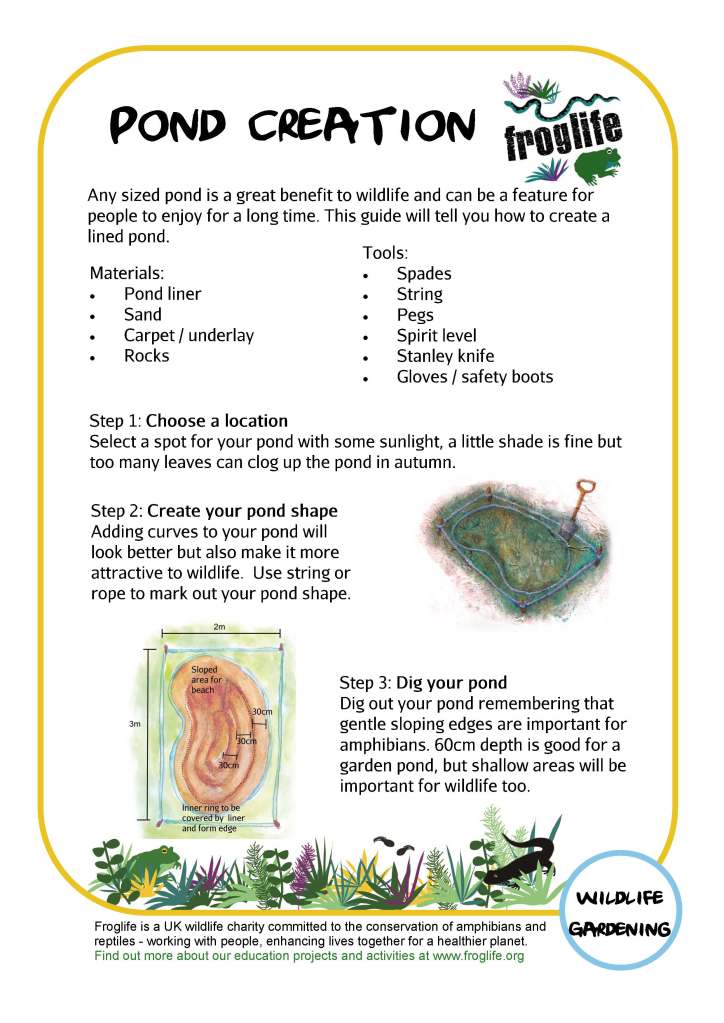
In addition, Froglife has produced a number of worksheets which illustrate conservation projects which people can undertake in and around their gardens to provide wildlife friendly features: the Bog Garden, Toad Abode, Hibernacula, Pond Creation and Mini-ponds. The links to these can be found below:
Much more about the work and activities of Froglife, along with more information and details of projects and their educational material can be found on their website: https://www.froglife.org/
At short notice, we have added another, and final, Zoom talk to our 2022-23 winter season of talks and we invite you to attend this free, natural history Zoom talk on Friday, 21st April, at 7.30pm.
Froglife is a national wildlife charity committed to the conservation of the UK’s amphibians and reptiles in addition to the habitats these species depend upon. Froglife has been operating since 1989 with a number of national and regional projects.
They want to see people from all walks of life get involved in wildlife conservation and achieve this via three strands: on the ground conservation, environmental education / communication and research.
This presentation will enable you to learn more about amphibians and reptiles in the area as well as the exciting work underway by Froglife Scotland on the ‘Come Forth for Wildlife’ project and ‘Fife Living Water’ project.
To register for this talk and to receive the Zoom joining details, please contact Ian at bhsaberfeldy@gmail.com.
Zoom is free to download, and all are very welcome to participate in our Zoom meetings free of charge, although we do welcome donations from non-members; our members receive free ‘entry’ to all our winter talks. Please do encourage any friends or family who may be interested to join us, but they must register separately so that we are aware of prospective numbers attending as there is a permissible limit!
We look forward to “seeing” many of you on the evening of Friday, 21st April.
Old Ways and New Roads : Roads, Bridges, Landscapes and New Towns on the Highland Circuit 1720-1832
Christopher’s talk will look at the development of transport in the Highlands of Scotland between the building of the first military roads in the 1720s and the arrival of railways in the 1830s.
This was a period of rapid change in the Highland landscape, involving the building of bridges, the diversion of roads and the establishment of new settlements along the route followed by the ever-increasing number of tourists who followed a circuit through the Southern Highlands which took in the great designed landscapes associated with Inveraray Castle, Taymouth Castle, Blair Castle and Dunkeld House. Consideration will be given to the partnership which developed between landowners and the Government in these ventures.
With the help of archival material from the National Records of Scotland, particular attention will be paid to the impact of these developments on the Taymouth Castle estate.
After spending five years as an outdoor studies tutor at Kindrogan Field Centre in Strathardle, and ten years as Education Officer with the Dundee Museums and Art Galleries, Christopher Dingwall has worked for more than thirty years as an independent landscape historian and heritage consultant with a special interest in Scotland’s gardens and designed landscapes.
He is currently Vice Chairman of Scotland’s Garden and Landscape Heritage, having spent twelve years as Conservation Officer with the Garden History Society in Scotland from 1992 to 2004.
Among other things he was co-author of the report on the Taymouth Castle designed landscape, commissioned by Scottish Natural Heritage in 1996. He is author of a chapter in the book Old Ways New Roads : Travels in Scotland 1720-1832, published by Birlinn in 2021, on which this talk is based.
The past, present and future of the Caledonian pinewoods of Mar Lodge Estate NNR
Few landscapes in Scotland are as evocative or as celebrated as the Caledonian pinewoods. In these places, pines have survived uninterrupted since the ice retreated just over 10,000 years ago. These are landscapes of great ecological value, but they are also storied, mythologised, and even misunderstood. They have also suffered at human hands with just a few precious fragments remaining across the Highlands.
The pinewoods of Mar Lodge Estate NNR are no exception. These woods have risen and fallen over the centuries, and now are rising again, thanks to decades of work from dedicated people from all walks of life. In this talk, Andrew Painting, Conservation Officer with National Trust for Scotland and author of ‘Regeneration: the Rescue of a Wild Land’, will delve into the past, present and future of Mar Lodge Estate’s pinewoods, and discuss what place they might have in a warming world.
17 BHS members participated in the final BHS summer excursion for a 4-day trip to the Angus area to visit a number of archaeological and historical sites, predominantly owned by Historic Environment Scotland, from Monday the 22nd to Thursday the 25th of August.
On the Monday, we visited the Meigle Sculptured Stone Museum, the Eassie Sculptured Stone and the four sculptured stones at Aberlemno before travelling to the George Hotel in Montrose, our base for the following days. We were very lucky that John Borland, who presented a talk on Medieval Sculptured Stones for us in January, was able and keen to join us for the day and to guide us through the meaning of many of the Pictish symbols.
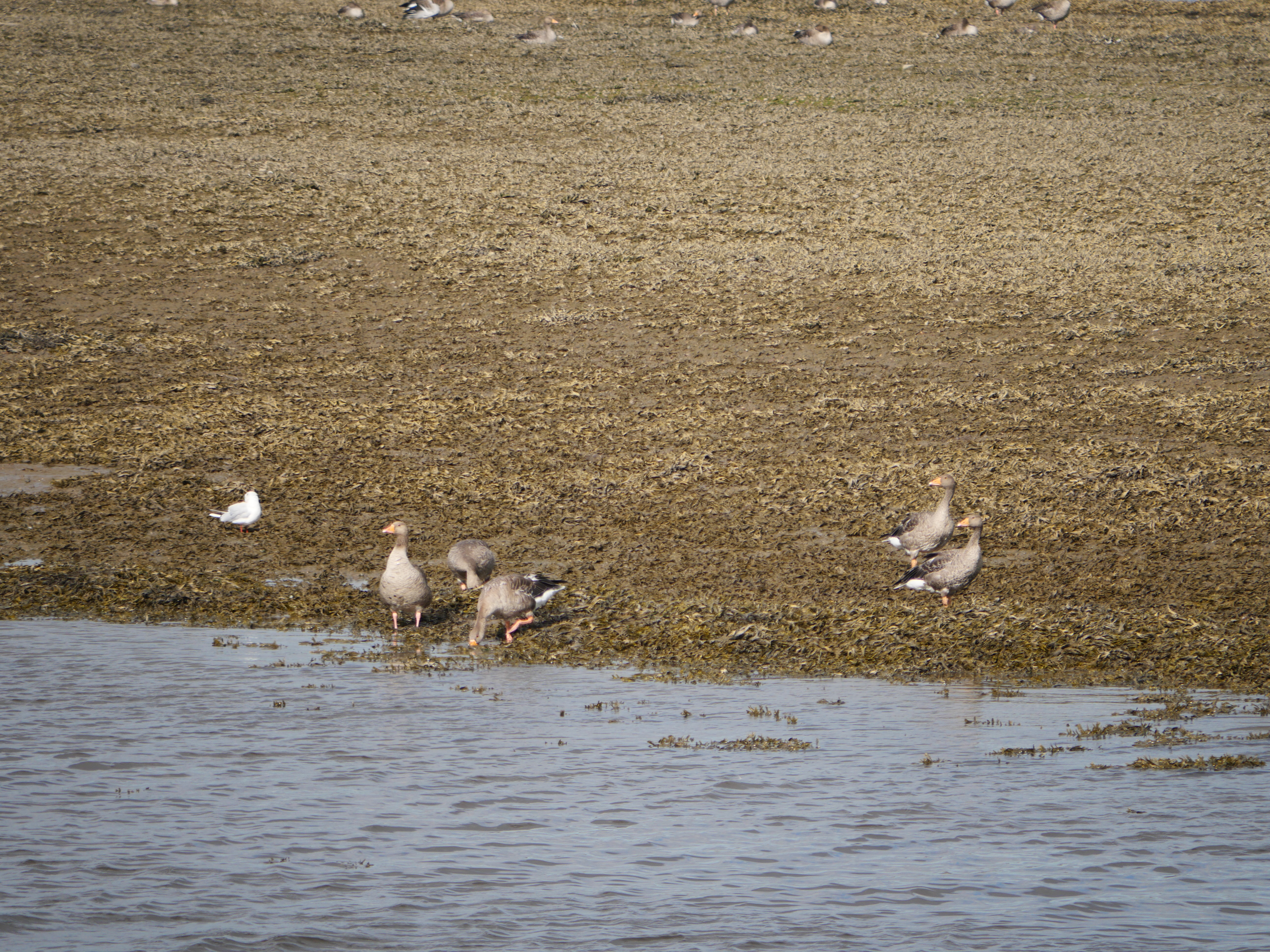
Tuesday took us to Arbroath Abbey and the Arbroath Signal Tower Museum in the morning, and to the Scottish Wildlife Trust’s Montrose Basin Visitor Centre in the afternoon.
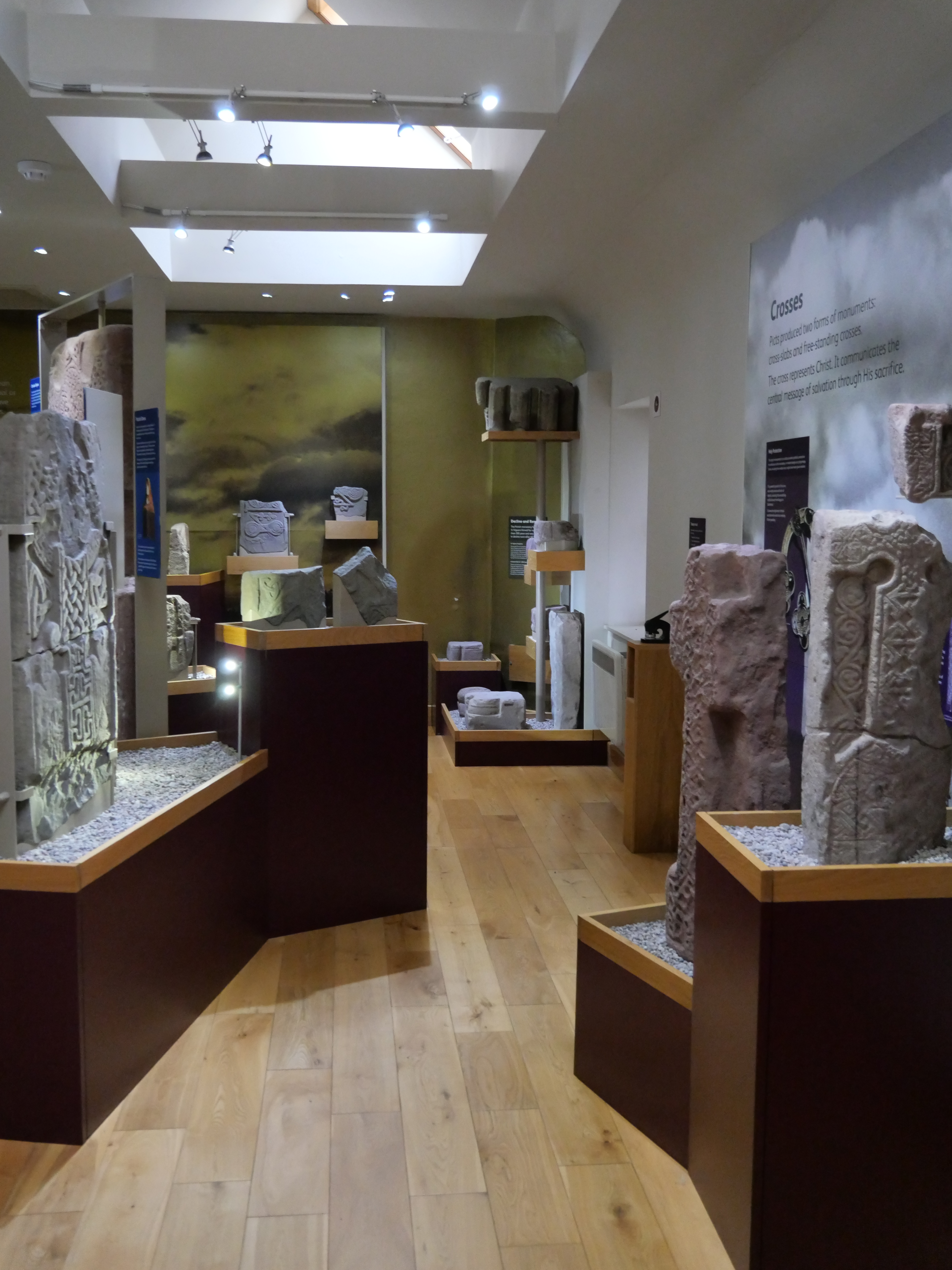
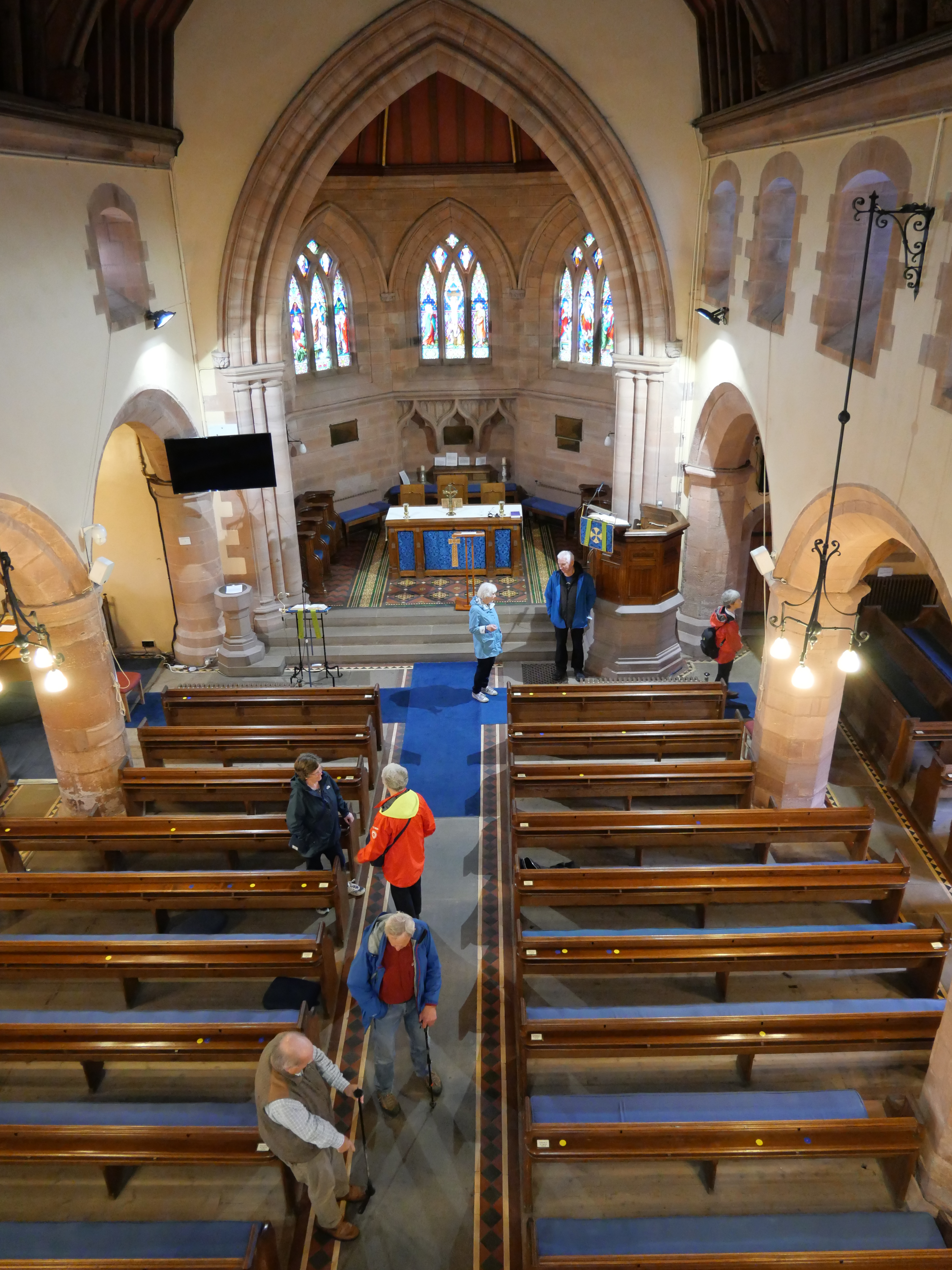
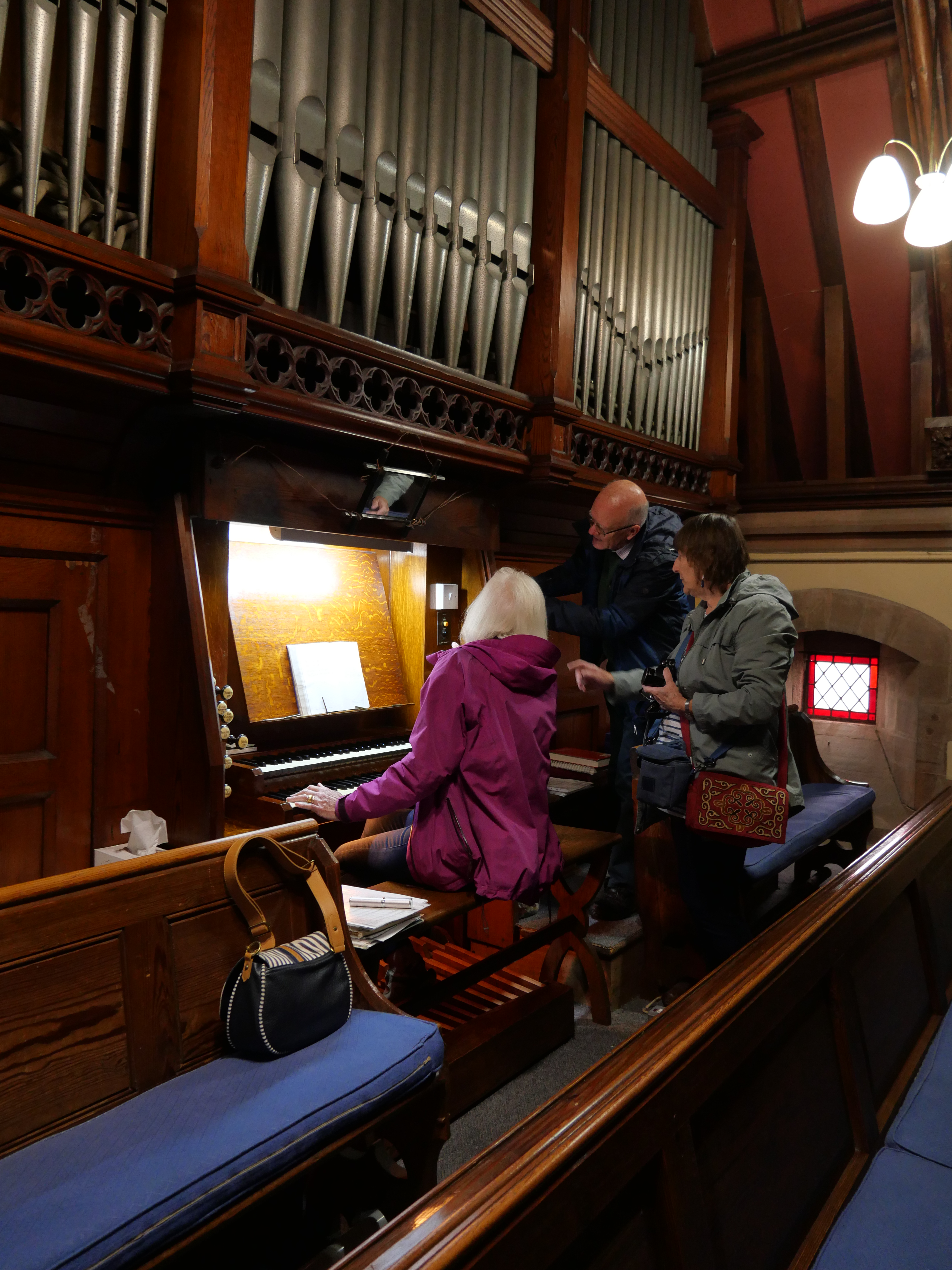
Further Pictish sculptured stones were inspected at the St. Vigeans Sculptured Stones Museum on Wednesday morning with a visit to the neighbouring St. Vigeans Parish Church before driving to Forfar to see more Pictish stones in the Meffan Institute Museum and Art Gallery.
On the final morning, we visited the National Trust for Scotland’s House of Dun and gardens just to the west of Montrose which included an informative and interesting guided tour of the interior of the house. In the afternoon, many of the fifteen members of the group managed to visit other sites on their way back to the Aberfeldy area which included the White and Brown Caterthun iron age hill forts to the north of Brechin and Restenneth Priory just to the east of Forfar.
If you would like further information on all the sites we visited, you will find a more comprehensive narrative with many more photographs on this page in our website:
David has worked in archaeology at both national and local level in Wales, England and Scotland since the late 1980s. Over the last two decades with the Perth & Kinross Heritage Trust he has established the Historic Environment Record and planning archaeology service for Perth and Kinross. He has developed and delivered several projects including the Carpow logboat, Tay Landscape Partnership Scheme, Glenshee Archaeology Project and Kings Seat Archaeology Project. His areas of interest include community archaeology and, in particular, Iron Age forts and settlement c.700 BC to AD 700.
Membership: Thank you to all who have already paid their subscriptions either online or by cheque. There will be an opportunity to pay your membership subscriptions at the meeting, either cash or cheque, and it is not necessary to complete a new membership form unless your contact details have changed. We are not issuing membership cards this year, however all members will receive email confirmation of their membership and an electronic copy of the 2022-23 Programme, hard copies of which will also be available at the meeting. As in previous years, there will not be an entrance charge for BHS members, but visitors will be asked for a donation of £4 on the night.
Looking forward to seeing many of you at the Breadalbane Community Campus in Aberfeldy on Friday 21st October.
In November last year, Dr. Liz Auty, John Muir Trust’s East Schiehallion Property Manager, presented a comprehensive talk to our Society on the Reverend Nevil Maskelyne’s 1774 expedition to Schiehallion, and the organisation and the people behind his experiment to ‘weigh’ the mountain and the world.
In the poem below, Jon Plunkett, a well-known poet resident in Aberfeldy, creates an evocative picture of the mountain, Maskelyne’s expedition and his experiment.
1 – Theory
An apple tree among the stars,
and from it a single apple falls.
It spins through the spheres,
draws a line straight and true.
A straight line, a true line, until –
from the planet’s rippled crust
a mountain rises, exerts a pull –
enough to sway that falling fruit.
2 – Mountain
In the heart of Scotland
a mountain of symmetry and bulk.
A shark’s fin of earth and stone
in and out of cloud, in and out of cloud
soaked and soaked again.
A place of ancient spirits, and new spirits –
illicit stills nestled by the burns
on this rock-crowned king of hills.
3- Experiment
The measurements are minute,
fractions of fractions taken from the space
between a star-line straight and true,
and a plumb-line’s slim deflection –
the most subtle bend of gravity,
the tiniest sway of cosmic force,
and just enough to weigh the world.
4 – Men
They are small, there on the hardship of the hill,
Following on from the talk and as one of of our summer excursions this year, on the 8th of June Liz led a group of BHS members to explore the lower slopes of the John Muir Trust’s Eastern Schiehallion site looking at some of the archaeology, social history, and the flora and fauna of this area. You can find the details of this summer excursion by following the link to our subsequent blog: https://breadalbane-heritage.org.uk/2022/07/27/bhs-visit-to-east-schiehallion/














 Breadalbane Heritage Society
You must be logged in to post a comment.